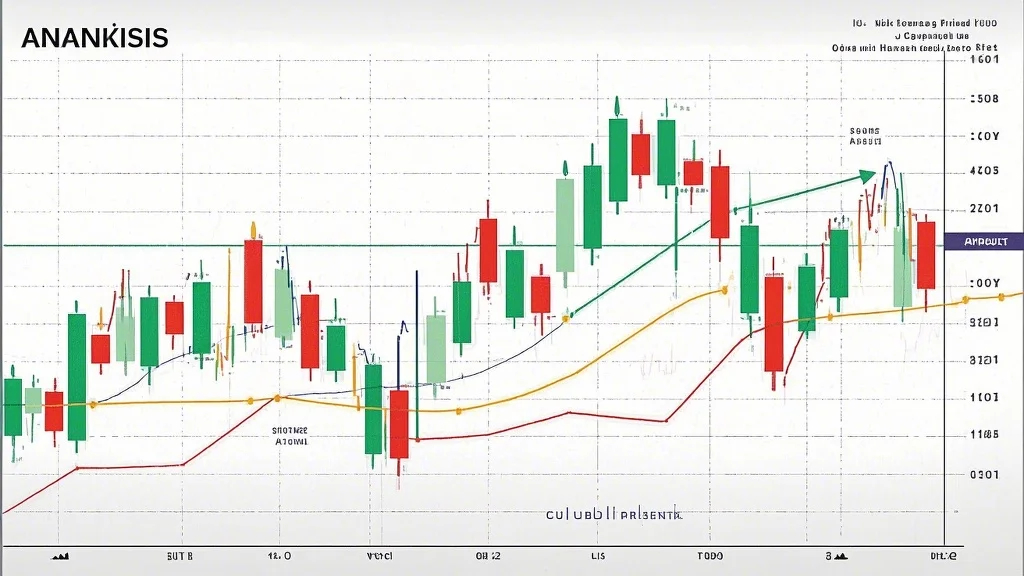
Mastering technical analysis for trading fundamentals
Developing winning stock trading strategies
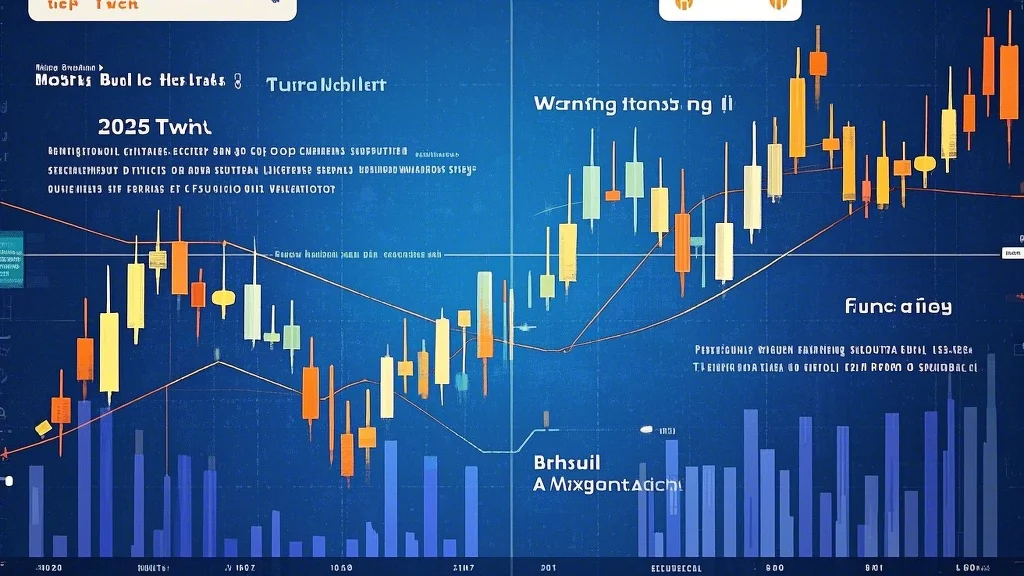
Essential techniques for how to trade stocks profitably
Learning how to trade stocks profitably requires mastering both market analysis and self-discipline. Trade planning should always begin with identifying where to exit if wrong before considering profit potential. Setting stop-loss orders at logical technical levels (below support for longs, above resistance for shorts) prevents emotional decision-making during trades. Profit targets based on measured moves from chart patterns or key Fibonacci extensions help lock in gains before reversals occur. The most successful approaches to how to trade stocks profitably emphasize consistency over home runs – small, steady gains compound impressively over time. Traders should avoid revenge trading after losses and overtrading during slow market conditions. Keeping a trading journal that records not just results but also emotional states and decision-making processes helps identify patterns in both successful and unsuccessful trades. Technology plays an increasingly important role, with scanning software helping identify potential trades faster than manual methods.
Refining your stock picking strategies
Effective stock picking strategies combine technical setups with relative strength analysis. Focus on stocks showing stronger performance than both the broader market and their sector peers during uptrends, and weaker performance during downtrends. Liquidity matters tremendously – stocks with average daily volume below 500,000 shares often exhibit wider spreads and more erratic price movements. The best stock picking strategies consider both chart patterns and fundamental catalysts that could drive continued interest in the stock. Many traders maintain separate watchlists for different market conditions – momentum stocks for trending markets, stable dividend payers for uncertain times. Seasoned traders often specialize in particular sectors or market caps where they’ve developed deeper understanding of typical price behavior. Screeners that filter for specific technical criteria (like new 52-week highs or unusual volume spikes) can efficiently surface potential trading candidates from the universe of thousands of stocks.
Practical stock market tips for beginners
Those new to trading should heed essential stock market tips for beginners to avoid common pitfalls. Start with paper trading to test strategies without risking real capital – but recognize that emotional factors differ when real money is at stake. Focus on learning one or two reliable strategies thoroughly rather than superficially trying dozens of approaches. The most valuable stock market tips for beginners emphasize risk management above all else – preserving capital during the learning phase is more important than chasing profits. Begin with larger, more liquid stocks that exhibit cleaner chart patterns rather than volatile penny stocks. Set realistic expectations – even professional traders typically only win 50-60% of their trades, relying on risk-reward ratios for overall profitability. Avoid the temptation of following stock tips or hot leads without doing your own analysis. Consider starting with longer time frames (daily charts rather than intraday) that allow more time for analysis and decision-making.
Integrating technical analysis into a complete trading approach
The most successful traders combine elements of technical analysis for trading with sound stock picking strategies and disciplined risk management. This comprehensive approach might involve using moving averages to identify the overall trend, then waiting for pullbacks to key Fibonacci levels for entries. Volume analysis confirms whether institutional players support the move, while candlestick patterns help time entries and exits precisely. Traders should remain flexible – sometimes the best trade is no trade when clear setups don’t emerge. Continuous education remains vital as market dynamics evolve and new technical tools emerge. Ultimately, trading success comes from consistency rather than perfection – implementing a robust strategy with discipline over hundreds of trades yields better results than sporadic moments of brilliance. By focusing on process over outcomes and maintaining realistic expectations, traders at all experience levels can improve their results over time.
